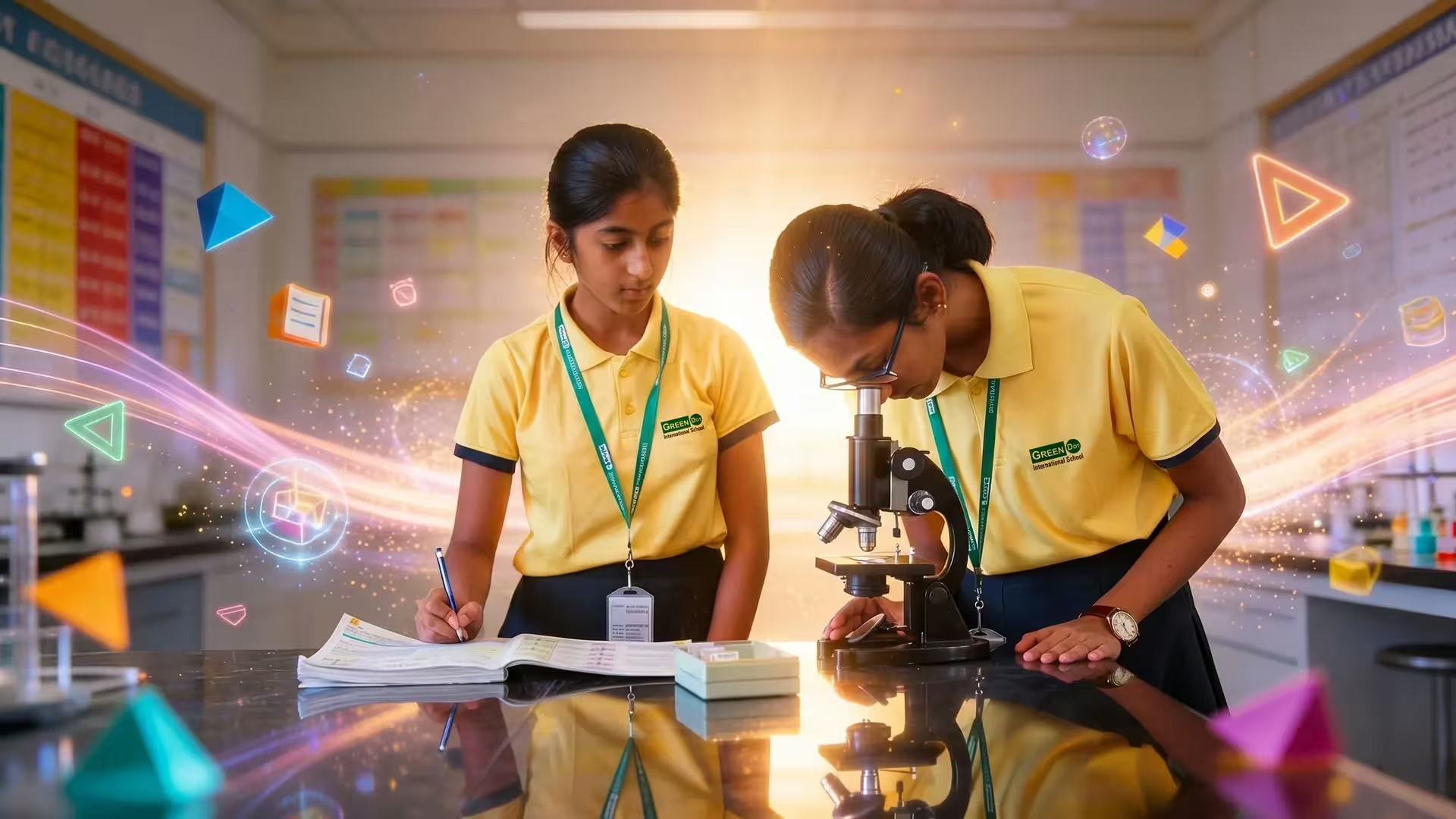
In today’s rapidly evolving world, education goes far beyond textbooks and examinations. Modern schools are increasingly adopting Holistic Education to ensure that students develop not only academically but also emotionally, socially, and ethically. This comprehensive approach prepares learners to face real-world challenges with confidence, adaptability, and a strong sense of responsibility.
Holistic Education focuses on nurturing the “whole child,” emphasizing intellectual growth alongside emotional well-being, creativity, physical health, and life skills. As education systems evolve, this approach is becoming essential in shaping well-rounded individuals ready for lifelong success.
What is Holistic Education?
Holistic Education is an approach that considers every aspect of a child’s development. Instead of focusing solely on academic performance, it integrates:
- Intellectual growth
- Emotional intelligence
- Social skills
- Physical development
- Creativity and critical thinking
The goal is to create a balanced learning environment where students can explore their potential and develop a deeper understanding of themselves and the world around them.
Why Holistic Education Matters in Modern Times
The demands of the 21st century require more than academic excellence. Students need a diverse set of skills to succeed in an interconnected and dynamic world.
1. Builds Strong Emotional Intelligence
Holistic Education helps students understand and manage their emotions effectively. This leads to better relationships, improved communication, and increased self-awareness.
2. Encourages Critical Thinking and Creativity
Rather than memorizing information, students are encouraged to question, analyze, and innovate. This fosters problem-solving abilities and prepares them for real-life situations.
3. Promotes Social Development
Group activities, collaborative projects, and discussions help students develop teamwork and interpersonal skills, which are essential for personal and professional success.
4. Supports Physical Well-Being
Physical education, sports, and wellness activities are integral parts of Holistic Education, ensuring that students maintain a healthy lifestyle.
5. Prepares Students for Lifelong Learning
By focusing on curiosity and self-driven learning, Holistic Education instills a love for knowledge that extends beyond the classroom.
Parents seeking best schools in Bandapura often look for institutions that prioritize such well-rounded development.
Key Elements of Holistic Education
Balanced Curriculum
A holistic curriculum integrates academics with arts, sports, and co-curricular activities, ensuring students receive a comprehensive learning experience.
Student-Centered Learning
Students are encouraged to actively participate in their learning journey, making education more engaging and meaningful.
Experiential Learning
Hands-on activities, real-world projects, and practical experiences help students understand concepts more effectively.
Value-Based Education
Ethics, empathy, and responsibility are key components, helping students grow into responsible citizens.
Inclusive Environment
Holistic Education promotes inclusivity, ensuring every student feels valued and supported.
Families exploring best schools in Chandapura often prioritize such inclusive and student-focused environments.
Role of Teachers in Holistic Education
Teachers play a vital role in implementing Holistic Education.
They act as:
- Facilitators of learning rather than just instructors
- Mentors who guide emotional and social development
- Role models who inspire curiosity and creativity
By creating a supportive and engaging classroom environment, teachers help students thrive in all aspects of their development.
Role of Parents in Supporting Holistic Development
Parents are equally important in reinforcing Holistic Education at home.
How Parents Can Help:
- Encourage open communication
- Support extracurricular activities
- Promote healthy routines
- Focus on overall growth rather than just grades
Parents looking for best schools in Anekal often consider institutions that work closely with families to support a child’s overall development.
Benefits of Holistic Education for Students
1. Improved Academic Performance
A balanced approach enhances understanding and retention, leading to better academic outcomes.
2. Enhanced Confidence
Students develop self-confidence by exploring their interests and talents.
3. Better Stress Management
A supportive environment helps students manage academic pressure effectively.
4. Stronger Interpersonal Skills
Collaboration and communication skills are strengthened through group activities.
5. Greater Adaptability
Students become more flexible and prepared to handle change.
For parents researching best schools in Sarjapura, these benefits make Holistic Education a key consideration.
Challenges in Implementing Holistic Education
While Holistic Education offers numerous benefits, it also comes with challenges:
- Balancing academics with extracurricular activities
- Training teachers to adopt new methodologies
- Ensuring consistent assessment methods
- Managing diverse student needs
However, with the right strategies and commitment, schools can successfully overcome these challenges.
The Future of Holistic Education
As the education landscape continues to evolve, Holistic Education is expected to become the standard approach in modern schools. With increasing awareness among parents and educators, schools are integrating innovative teaching methods, technology, and wellness programs to support overall development.
This shift reflects a broader understanding that success is not defined solely by academic achievements but by a combination of skills, values, and well-being.
Conclusion
The importance of Holistic Education in modern schools cannot be overstated. By nurturing intellectual, emotional, social, and physical development, this approach prepares students for the complexities of the real world.
In an era where adaptability, creativity, and emotional intelligence are as important as academic knowledge, Holistic Education provides the foundation for lifelong success. Schools that embrace this approach empower students to grow into confident, capable, and compassionate individuals ready to make a meaningful impact on society.
FAQs
1. What is Holistic Education?
Holistic Education is an approach that focuses on the overall development of a child, including academic, emotional, social, and physical growth.
2. Why is Holistic Education important?
It helps students develop essential life skills, emotional intelligence, and adaptability, preparing them for real-world challenges.
3. How does Holistic Education benefit students?
It improves academic performance, builds confidence, enhances social skills, and promotes overall well-being.
4. What role do parents play in Holistic Education?
Parents support holistic development by encouraging balanced routines, open communication, and participation in various activities.
5. Are modern schools adopting Holistic Education?
Yes, many modern schools are integrating holistic approaches to provide a well-rounded and meaningful learning experience.